




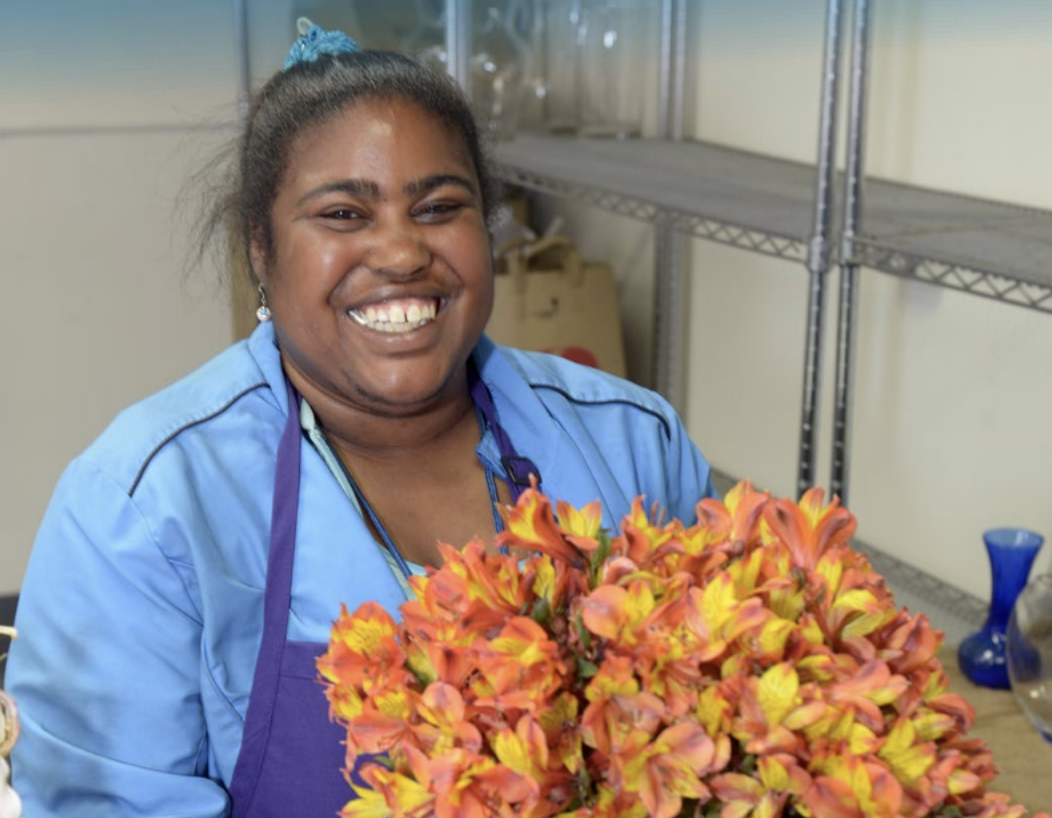
Congratulations!
You are leaving the school system and moving into the adult world. You might want to get a job, attend day services, go to college, move out of your family home, or do a combination of these. Your GGRC social worker can help you figure out what is next for you through person-centered case management services.
What are Person-Centered Case Management Services?
Person-centered case management means a regional center social worker will listen to your personal goals, strengths and challenges, and then suggest ways and programs to help you reach your goals.
You have the right to review your options and make your own choices.
Supplemental Security Income (SSI) is a benefit based on need and meant for the necessities of food and shelter. If you qualify for SSI, you will also qualify for Medi-Cal. To learn how to qualify for SSI, visit ssa.gov or call (800) 772-1213. Ask your social worker for more information.
What Adult Services Are Available?
The services you receive are determined by your needs and goals, as well as availability in the community. These services may include:
- Day services to develop new skills and friends
- Employment or paid internships
- Independent living skills training
- Supported living services
- Training to access public transportation
- Adaptive equipment
- Adaptive skills training and personal assistants
- Health advocacy services and mental health referrals
- Housing advocacy and family home advocacy
- Supported decision-making and conservatorship
information - Respite services for caregivers and parents
The regional center is the “payer of last resort.”
This means if a service is available from another state or federal program, the regional center is not allowed to pay for it. Your social worker is required by law to suggest you contact these other programs before offering to pay for a similar service.
What’s Next?
If you are already eligible for Golden Gate Regional Center services contact your social worker.
- The best time to set up a meeting is several months before graduation (receiving a diploma at 18 years old or receiving a Certificate of Completion at 22 years old).
- If you have already graduated, call the regional center to plan and prepare for your future.
At the meeting, discuss your interests and goals with your social worker to develop an Individual Program Plan (IPP).
- The IPP is an agreement between you and the regional center that identifies services and supports to reach your goals.
Your social worker will connect you with community resources and service providers who will work with you. GGRC does not directly provide programs and services itself.
Before you meet with your social worker, consider these questions:
- What is your dream for the future?
- What would you like to do now?
- What skills do you want to learn to become more independent?
- What support do you need daily?
- What do you want to do during the day?
- Do you want to work? Or, go to college?
- Do you need support to socialize?
- Where do you want to live?
When Arturo turned 22 years old, he thought he would like to make new friends, get a job and one day live in his own apartment.
He met with his regional center social worker and discussed his goals, strengths and challenges. Together, they put a plan in place for what he would do after graduation. Arturo started to attend a community-based day program to make friends, develop confidence and skills for work, and learn to use public transportation.
When Arturo felt ready, he opened a case with the Department of Rehabilitation, which funded a job developer and coach for him to get and maintain employment. Now he is making money, attending a day program part-time and is preparing to live with a friend. Working with his regional center social worker, Arturo will be receiving independent living skills training to prepare him to live in his own apartment.
You Are Not Alone
The regional center is here to support you. At a minimum, a social worker will meet with you annually to see how you are progressing and what support or services you need.
- If you have questions or need support, don’t wait for your yearly meeting. Call your social worker!
- Transitioning out of school is a time of change. It’s common to feel anxious about changes.
- If you experience stress, talk with a trusted person – a parent, friend or your regional center social worker.
Be Sure to Speak for Yourself
- Be a self-advocate! Express your wants and needs.
- Visit and review any programs or living options before choosing one.
- Ask questions and express your opinions.
- Seek advice from trusted people to help support your decision-making.
- If there is disagreement about services offered by the regional center, there is an appeal process.
What Do You Want to Do?
Talk with your regional center social worker and move forward!


 Video
Video Link
Link 
 Document