




Providing Lanterman Services
Engage. Support. Innovate.
Golden Gate Regional Center (GGRC) partners with a wide range of service providers to support individuals with developmental disabilities across their lifespans. Lanterman services are services and supports provided to individuals age 3 and older.
Why Lanterman Services are Critical
Lanterman services are the foundation of GGRC’s history and services. GGRC service providers are key in supporting people with I/DD to:
- Make their own decisions about their lives
- Achieve individual dreams
- Be involved in their communities
- Balance health and safety in their lives
- Participate in meaningful daily activities
A list of commonly funded services is provided below. A more complete list of services purchased by regional centers is provided in the Regional Centers Services and Descriptions document from by DDS.
There is also a comprehensive list of service codes and service code descriptions in this document. Both documents can be found on the DDS Regional Center Services and Descriptions webpage – https://www.dds.ca.gov/rc/rc-services/
Housing & Living Services
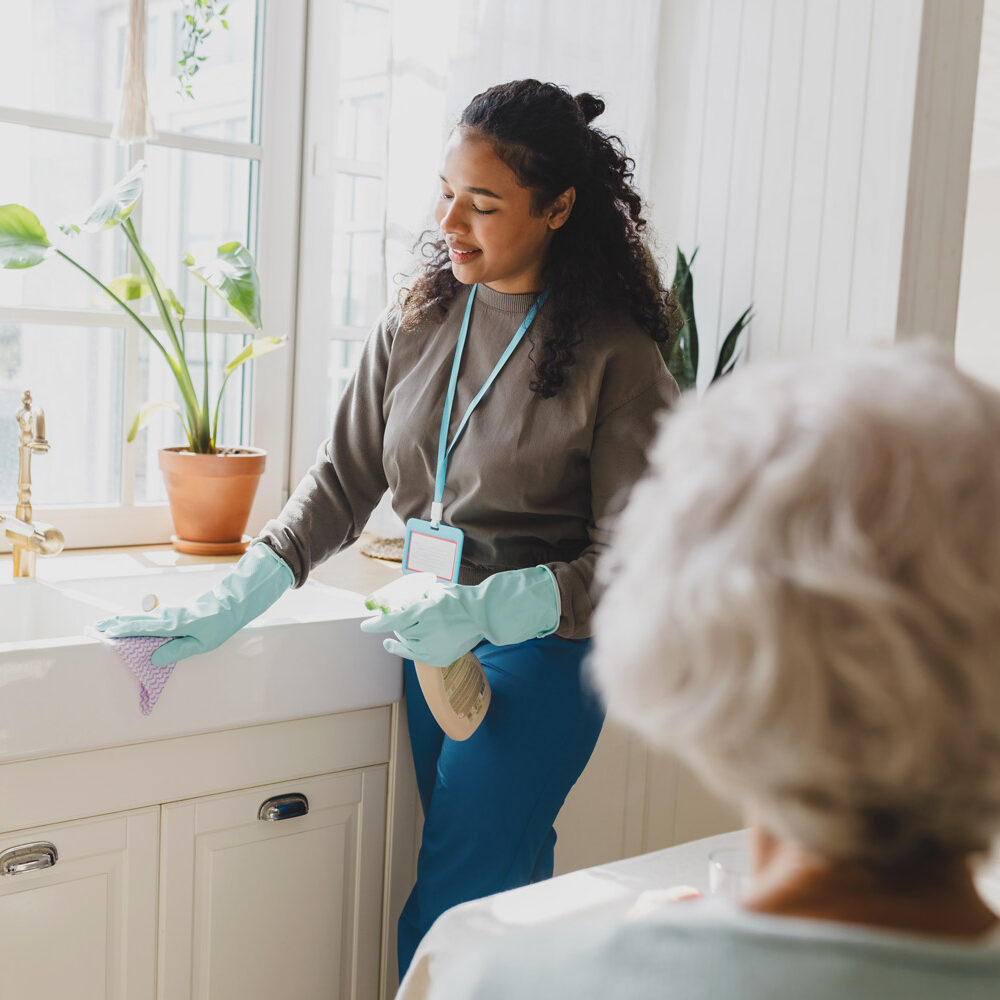
GGRC works with service providers to support individuals living in the community, whether at home, on their own, with housemates, or in licensed residential settings.
GGRC supports providers who help individuals find and maintain housing in the community.
Examples include:
- Housing Search Services
Helping individuals locate and apply for housing, including affordable housing programs.
- Housing Support Services
Ongoing support with maintaining a home, including landlord communication, budgeting, and basic home management.
SLS provides support for individuals living in their own homes up to 24 hours a day, 7 days a week.
Supports may include:
- Cooking, cleaning, and personal care
- Budgeting and shopping
- Medical appointment support
- Skill-building for independent living
SLS may be short-term (skill-building) or long-term (ongoing support).
ILS focuses on teaching skills so individuals can live independently with little or no support.
Skills may include:
- Money management and bill paying
- Cooking and cleaning
- Health and medication management
These include group homes and specialized residential settings.
- Typically 4–6 residents per home
- Licensed through Community Care Licensing
- Staffing ratios vary by level of care
Residential home models may include:
- Adult Residential Facilities (ARF): Provides 24-hour a day, non-medical care for individual ages 18-59 or any person 60 years of age or older under specified requirements.
- Adult Residential Facilities for Persons with Special Health Care Needs (ARFPSHN): Provide 24-hour a day services for up to five adults with developmental disabilities, who have special health care needs and intensive support needs. *Note: ARFPSHN opportunities are developed through a state-directed process based on identified community needs and are not open for standard vendorization.
- Residential Care Facility for the Elderly (RCFE)
- Enhanced Behavioral Supports Homes (EBSH): An Adult Residential Facility that provides 24-hour nonmedical care to individuals with developmental disabilities who require enhanced behavioral supports under specified requirements. *Note: EBSH opportunities are developed through a state-directed process based on identified community needs and are not open for standard vendorization.
- Community Crisis Homes (CCH): a small residential home for adults with developmental disabilities who are going through a crisis. It provides short-term 24-hour care and support in a non-medical setting to help stabilize the person and prevent them from needing a more restrictive placement, like a hospital or institutional setting. *Note: CCH opportunities are developed through a state-directed process based on identified community needs and are not open for standard vendorization.
FHA providers match individuals with family home providers who offer care in a family setting.
- Adults (18+) live with a certified family
- Support includes daily living, health, and community integration
Interested families interested in learn about becoming a family home providers can contact GGRC to consider the certification process with existing FHAs.
Note: Development of new Family Home Agency (FHA) providers is subject to applicable procurement requirements, including a competitive process in accordance with Title 17, Subchapter 4.1, Article 2.
Golden Gate Regional Center (GGRC) partners with housing developers to create affordable, integrated housing opportunities for individuals served by GGRC.
Through the Community Placement Plan (CPP) and Community Resource Development Plan (CRDP), GGRC helps fund the development of units within multifamily housing projects.
These units are part of larger community developments and are designed to support individuals living independently and inclusively.
What Is a Multifamily Housing Project?
A multifamily housing project includes:
- Five or more units, and
- At least one unit available for individuals served by GGRC
These projects are developed in partnership with a Housing Developer Organization (HDO) and are integrated into broader housing communities. The full guideline can be found here: Attachment O (Multi-Family Housing Proposal Guidelines).
Key Requirements
Community Integration
- No more than 25% of total units in a project may be restricted for individuals with developmental disabilities
- Exceptions may be considered by DDS on a case-by-case basis
Developer Experience
- Demonstrated multifamily housing development experience
- Experience with at least one project that offers supportive services to individuals with special needs
Availability Commitment
- A commitment from the developer to reserve units for GGRC-supported individuals
- Clear identification of unit types, affordability levels, and occupancy restrictions
GGRC is responsible for:
- Ensuring coordination of referrals to set-aside units
- Ensuring units are occupied by eligible individuals
- Working with service providers to support successful tenancy
Proposal Requirements (Overview)
A Multifamily Housing Proposal typically includes:
- Project description (location, unit mix, timeline)
- Number and type of units available for people served by GGRC
- Funding sources and uses
- Developer and ownership structure
- Property management and service provider plan
- Strategy for ensuring occupancy by GGRC-supported individuals
Funding and Compliance
CPP/CRDP funding is subject to DDS oversight and approval. Key expectations include:
- DDS approval is required before project development proceeds
- Funds are distributed through an escrow process
- Loan and regulatory documents must follow DDS requirements
- Projects must comply with all applicable state and federal housing regulations
Timeline Considerations
- GGRC must notify DDS within 60 days of CPP/CRDP approval when pursuing a multifamily project
- DDS requires approximately 90 days to review materials prior to loan closing
Early planning and coordination are critical to meeting development timelines.
When to Engage GGRC
- You are a housing developer planning a project with units available specifically for individuals served by GGRC, or
- You are exploring opportunities to include individuals with developmental disabilities in a new or existing housing development
If you are interested in partnering with GGRC on a multifamily housing project:
Email: ggrcservices@ggrc.org
Phone: 1-415-832-5744
We encourage early outreach to explore feasibility and ensure alignment with funding and approval requirements.
Employment & Day Services
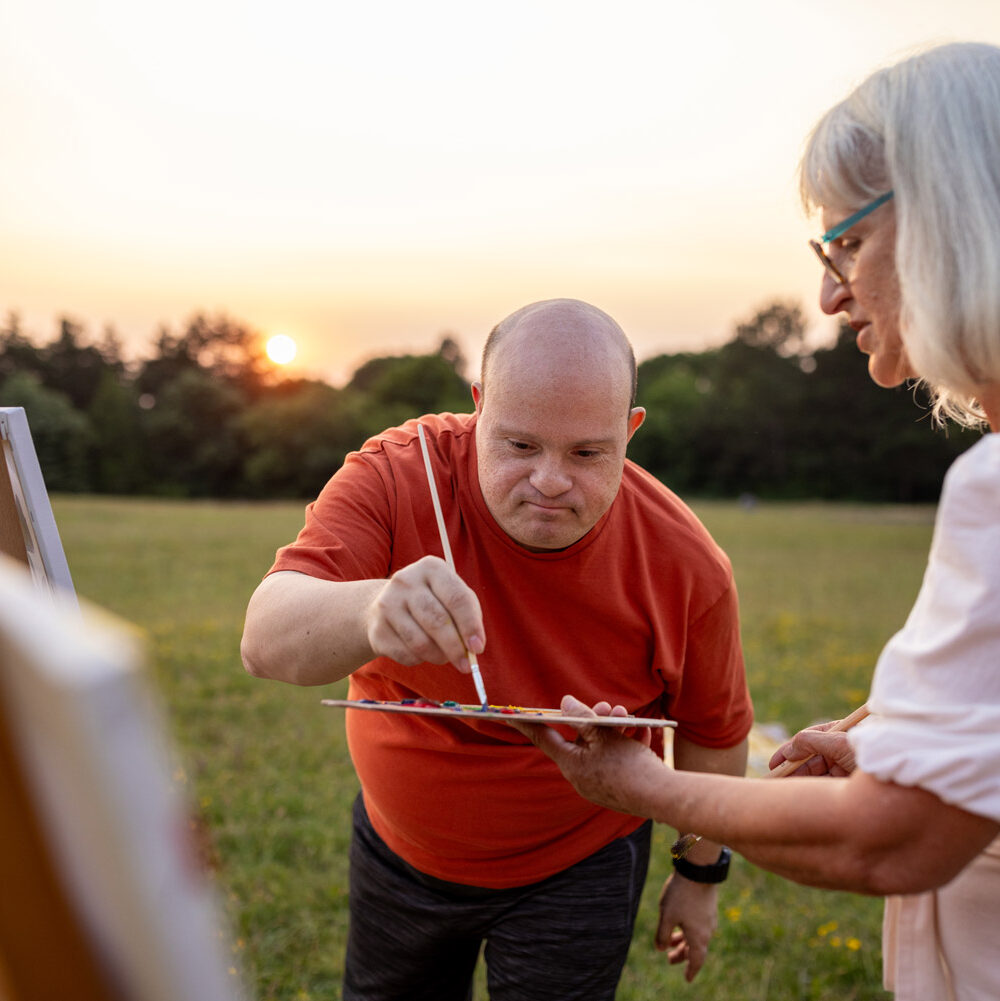
Many service providers support people served by the regional center by providing structured daytime activities for adults who are no longer in school.
Services that support individuals in finding and maintaining employment.
Examples include:
- Job coaching
- Supported employment
- Paid internships
- Customized employment
Day programs provide structured daytime activities for adults no longer in school.
Programs may focus on:
- Community participation
- Skill development
- Social connections
- Pre-employment training
Options include:
- Day Services (service code 531)
- Behavioral Day Services (service code 532)
- Medical Day Services (service code 533)
- Creative arts programs
TDS provides individualized, community-based services:
- Always 1:1 support
- The amount of services and when services occur changes based on individual goals.
- TDS must be focused on employment, education, or community integration
Family & Community-Based Supports
GGRC has a variety of ways to fund providers who work with individuals at home and in accessing community resources.
Supports adults living with family to:
- Identify needed services
- Develop support plans and train support staff
- Support identification and use of community resources including but not limited to medical appointments and services, public benefits, and accessing culturally responsive community resources
Provides caregivers with short-term breaks
Options include:
- In-home respite
- Out-of-home respite
- Agency or self-directed models
Support for adults who need assistance to live safely in the community.
Services to support independence in the community:
- Transportation training
- Driver training
- Community participation
Programs that promote:
- Social connection
- Physical health
- Community participation
Examples include:
- Classes
- Sports
- Arts and music programs

Behavioral & Clinical Services
GGRC works with behavioral professionals and behavior-focused support programs within the community to provide consultation and deliver services to support specific behavioral and therapeutic needs.
Services designed to support individuals with behavioral needs.
- Provided by licensed or trained professionals
- Focus on skill-building and positive behavior strategies
Often a short-term service that focuses on teaching skill development that are provided by qualified Professionals or Specialists.
Individual or Group-based services to build:
- Communication skills
- Social interaction
- Relationship-building
Therapies may include:
- Speech therapy
- Occupational therapy
- Physical therapy
- Counseling
(Some services must be funded through insurance or Medi-Cal when available.)

Crisis & Supplemental Supports
Crisis services provide intensive, tailored support for individuals with developmental disabilities experiencing behavioral or psychiatric emergencies.
Short-term supports during periods of instability.
- 24/7 crisis response and de-escalation support available
- Training for support system
A type of Adult Residential Facility that provides:
- 24-hour nonmedical care
- Enhanced support under specified requirements that may include additional staffing and supervision
- Positive behavior supports, trauma-informed care, and other services and supports which are beyond what is typically available in other community-based homes
START: Systemic, Therapeutic, Assessment, Resources, and Treatment
START is a program created to help people who have an intellectual or developmental disability and mental health needs. The goal of START is to prevent crises, create helpful tools and habits, and support the people and programs with whom individuals already work.
START services typically last 12-15 months and are designed for an individual’s specific needs, so services will look different for everyone.
It is important to remember that START services are only available under specific circumstances and involve collaboration between GGRC, a START coordinator, service providers, and the person receiving services. If you are interested in learning more about how START services might help you work with an individual you support, please contact GGRC.
Individuals in need of immediate crisis intervention services may have access to statewide resources such as Community Crisis Homes (CCHs) if there are no resources available in their home community.
- CCHs are residential facilities that provide 24-hour non-medical care to adults and children with developmental disabilities in need of crisis intervention services
- They are specifically designed for individuals who are at risk of being placed in an institutional setting (acute crisis center, a state-operated facility, an out-of-state placement, a general acute hospital, or an institution for mental disease)
- CCHs provide additional assessment, staffing, supervision, specialized staff training, person-centered planning, positive behavior supports, trauma-informed care, and other intensive services and supports to immediately address an individual’s urgent needs
- They allow focus to be on stabilization and individual goals so that individuals can transition to an appropriate long-term placement as quickly and safely as possible
Additional Supports
Some additional services funded by GGRC that may be of interest to service providers.
Temporary staffing or services to stabilize a placement or program.
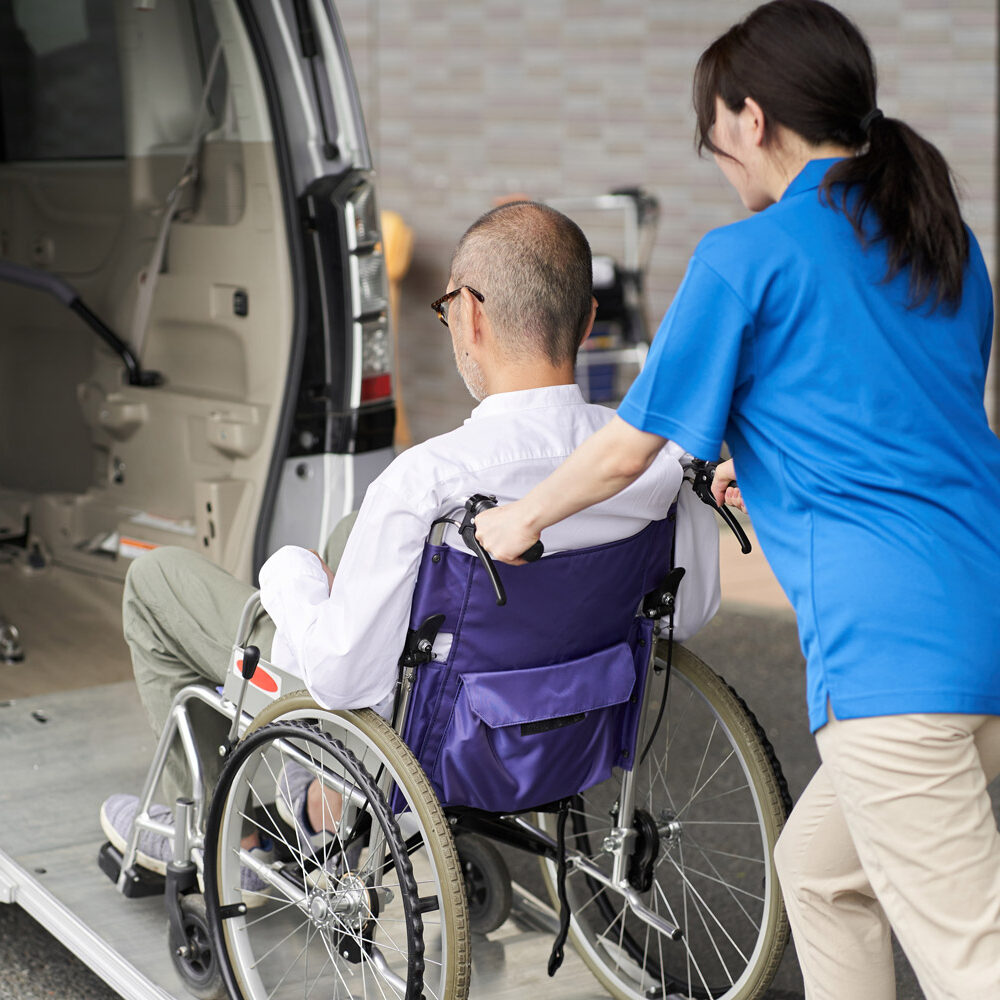
Transportation services help individuals access:
- Work
- Day programs
Options may include:
- Public transportation
- Vendor transportation
- Family reimbursement
Services to support communication for individuals and families.
Allows individuals and families to coordinate and direct some services.
Additional supports may include:
- Free fishing licenses
- State park access passes
- Voter registration support

Partner with GGRC to Expand Lanterman Services for Underserved Communities
Service providers are essential bridges to our communities. It is through the services you offer that GGRC is able to expand access to Lanterman services and reduce barriers to timely service delivery.

Language Access
Language access refers to removing barriers that prevent community members, who speak languages other than English, from participating in regional center services. GGRC’s threshold languages include: Spanish, Cantonese, Mandarin, Tagalog, Vietnamese, Arabic and Russian.
Removing language barriers and increasing language access can be done by:
Providing flyers and informational documents in commonly used languages
– Getting documents and reports translated into the preferred language of the family you are serving
– Hiring multi-lingual staff and training all staff on language access
– Telling GGRC the languages you can support in your services
– Asking families their preferred language at time of your service intake

Geographic Access
Geographic access is the availability of services within a reasonable distance from where someone lives. GGRC is looking for Early Start service providers who provide services in a wide geographic area within their county. Some examples of geographic areas with the most need include but are not limited to:
San Francisco County
– Bayview
– Chinatown
– Hunters Point
– Tenderloin
San Mateo County
– East Palo Alto
– Half Moon Bay/Hwy 1 Coastal Communities
Marin County
– West Marin communities (e.g. Stinson Beach, Point Reyes, etc.)

Cultural Responsiveness
The San Francisco Bay Area is a vibrant and diverse region. Service providers play a crucial role in delivering culturally responsive services by understanding the communities around them and those they serve.
Some ideas for increasing cultural responsiveness include:
– Teaching staff practices around cultural humility, implicit bias recognition, and ways to learn more about the culture, beliefs, and values of those they support
– Getting to know the people you serve, what is important to them and adapt services to meet their values and beliefs when appropriate
– Staying current on best and promising practices related to culturally responsive clinical practices and culturally responsive trauma informed practices
– Collaborating with people and organizations with common goals
– Developing relationships with cultural agencies that reflect the cultures represented in those you serve
– Celebrating other people’s stories and including marginalized perspectives
Together with our partners, GGRC is working to provide a wider variety of services to make it easier for community members to access the services they need. The Department of Developmental Services (DDS) administers the Service Access and Equity Grant program, which is funding awarded annually to implement strategies that increase service access and equity in regional center services.
Opportunities for New and Existing Providers
GGRC is seeking qualified providers to deliver Lanterman services for children, teens and adults with I/DD. This is a great opportunity to start new services or add to your existing GGRC services.

New Providers
If you are interested in starting services, GGRC offers structured pathways to help you:
- Navigate the vendorization process
- Understand service requirements
To learn more about being a GGRC Service Provider and the vendorization process, please click the links below:

Existing Providers
If you are already vendorized or providing related services, use the DDS Provider Portal to:
- Expand into Lanterman services
- Add new service codes or locations
- Grow your business in high-demand areas