




Our History
The Golden Gate Regional Center (GGRC), started in 1966 as one of the first two regional centers in California. Now, GGRC is one of 21 regional centers in California that provides lifelong services and supports for individuals with intellectual and developmental disabilities and their families in San Francisco, San Mateo, and Marin counties.
Introductory for Golden Gate Regional Center (GGRC)
Where We Started
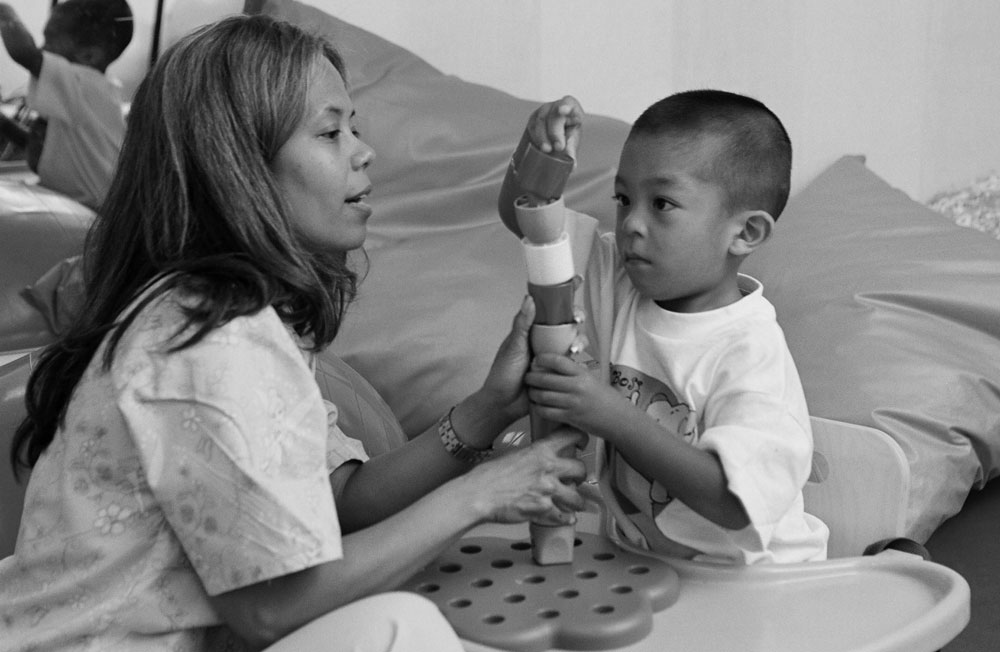
In 1966, the state of California created regional centers in the San Francisco Bay Area and Los Angeles County. These two regional centers were designed to help people with developmental disabilities live in their own communities instead of in institutions or hospital settings. In 1969, the law now called the Lanterman Developmental Disabilities Services Act was signed. The signing of this law created more regional centers across all of California and began to assist individuals with significant disabilities such as cerebral palsy, epilepsy, autism, and intellectual disability.
In 1993, regional centers began offering early intervention services, now called “Early Start Services”, for infants and toddlers (up to 36 months) with a developmental delay or at high risk of developing a delay.
Today, all of California’s regional centers serve over 500,000 people.
We Have Spent Over 60 Years Fighting for the Rights of Californians with Disabilities
-
1955-1965
Setting the Stage
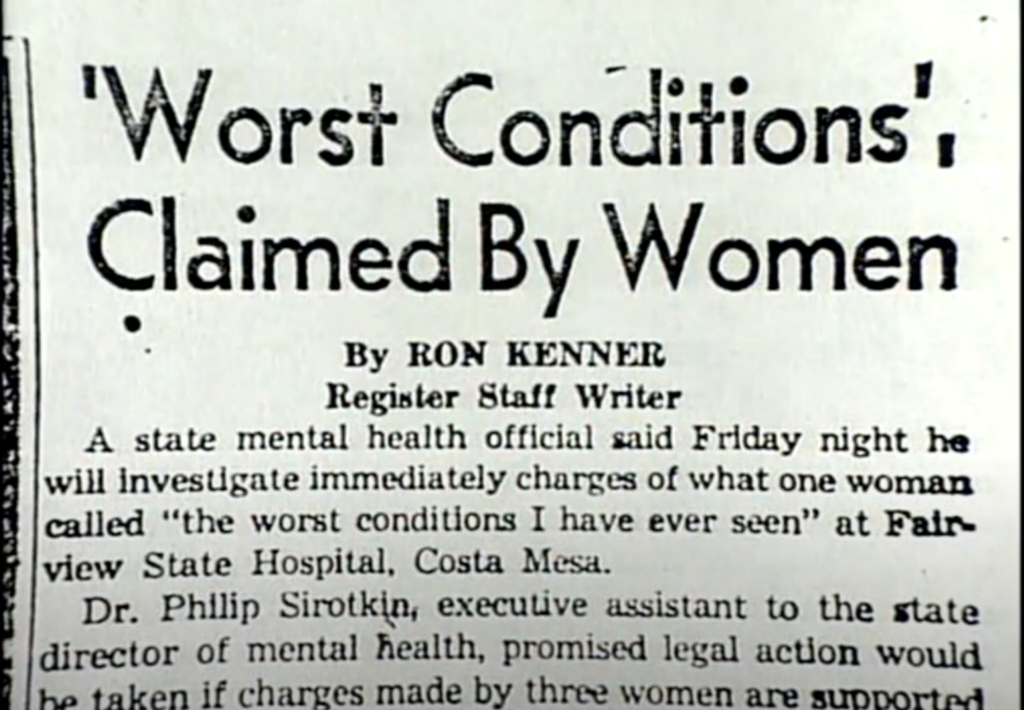
- Families of children with disabilities are told to institutionalize their child or raise them at home with no support.
- Their only option for government-funded services are large, impersonal, hospital-like state institutions.
- Parents and community partners advocate for disability rights and social change, creating political allies and promoting changes in laws.
- The population in California institutions rises to over 13,000 residents, with 3,000 people on a waiting list to move into institutions.
- The California Legislature, in response to advocacy by community groups, requests a report assessing the care provided in institutions. This report asks the state to accept responsibility for persons with developmental disabilities by funding services in the community instead of admitting people with disabilities to a state institution.
-
1966-1968
The Start of Regional Centers
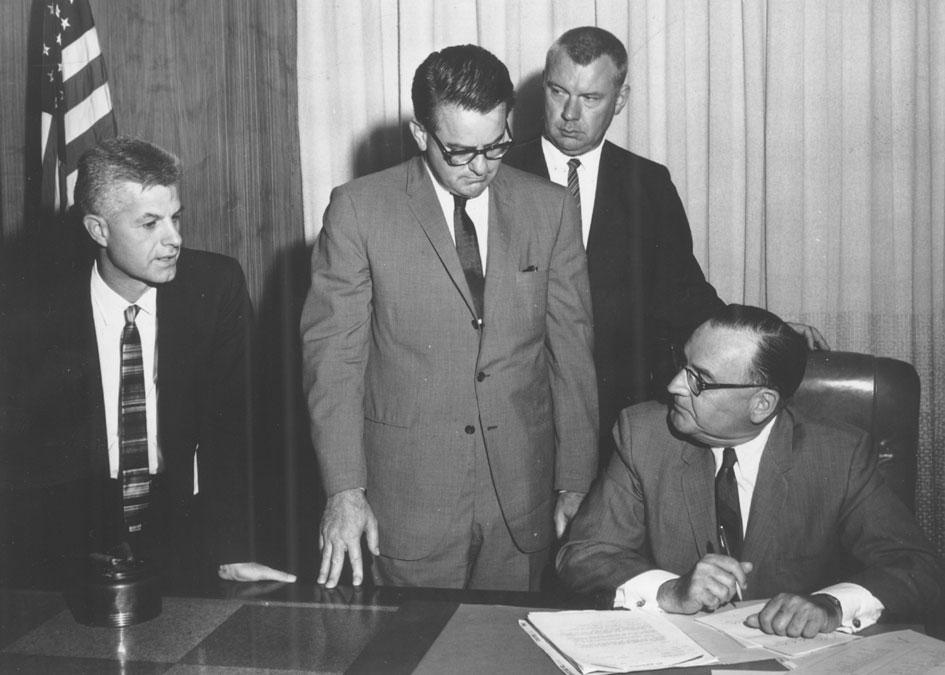
- In 1966, GGRC launches as one of two pilot Regional Centers, coordinating and paying for disability services in the San Francisco Bay Area.
- After successfully having two regional centers in operation, California puts forth a revolutionary initiative with what is now called, the Lanterman Developmental Disabilities Services Act. This Act designs a public-private partnership, creating a system of community-based services to support people with developmental disabilities to live in their home communities as an alternative to living in state institutions.
-
1969
California’s Entitlement Act – the First in the Nation
- California passes the Lanterman Developmental Disabilities Services Act – a groundbreaking civil rights law guaranteeing people with developmental disabilities the right to services and supports in their communities and not institutions.
- The Lanterman Developmental Disabilities Services Act is an entitlement law that means people with developmental disabilities who qualify for services are entitled to receive services.
- For the first time, disability services in California were treated not as charity, but as a legal right.
-
1970-1975
Disability Rights Advocacy Gains Momentum
- Disability Civil Rights advocacy happens nationwide, driving lawsuits and passage of new laws to grant rights and services to people with disabilities.
- 1973, Section 504 of the Rehabilitation Act is signed into law by President Nixon, providing the first civil rights to people with disabilities at the national level. (The law is not put into effect until 1977.)
- The United States Congress passes the “Education for All Handicapped Children Act,” PL 94-142, in 1975, requiring a free and appropriate public education in the least restrictive environment for all children with disabilities, regardless of their disability.
- 1975, California Regional Centers serve 33,833 people. Approximately 10,200 people with developmental disabilities live in California state hospitals.
-
1976-1985
The System Evolves
- The rights of people with developmental disabilities are reaffirmed and expanded, but social acceptance and inclusion are a challenge.
- The federal government contributes to the development and financial support of community services; the network of regional centers is completed with the Regional Center of the East Bay (covering east bay counties previously served by GGRC).
- The Lanterman Act is amended to expand coverage to people with all types of developmental disabilities.
- 1977, Section 504 is finally implemented after a 28-day occupation by people with disabilities in the San Francisco Health, Education, and Welfare Federal building and additional protests across the nation.
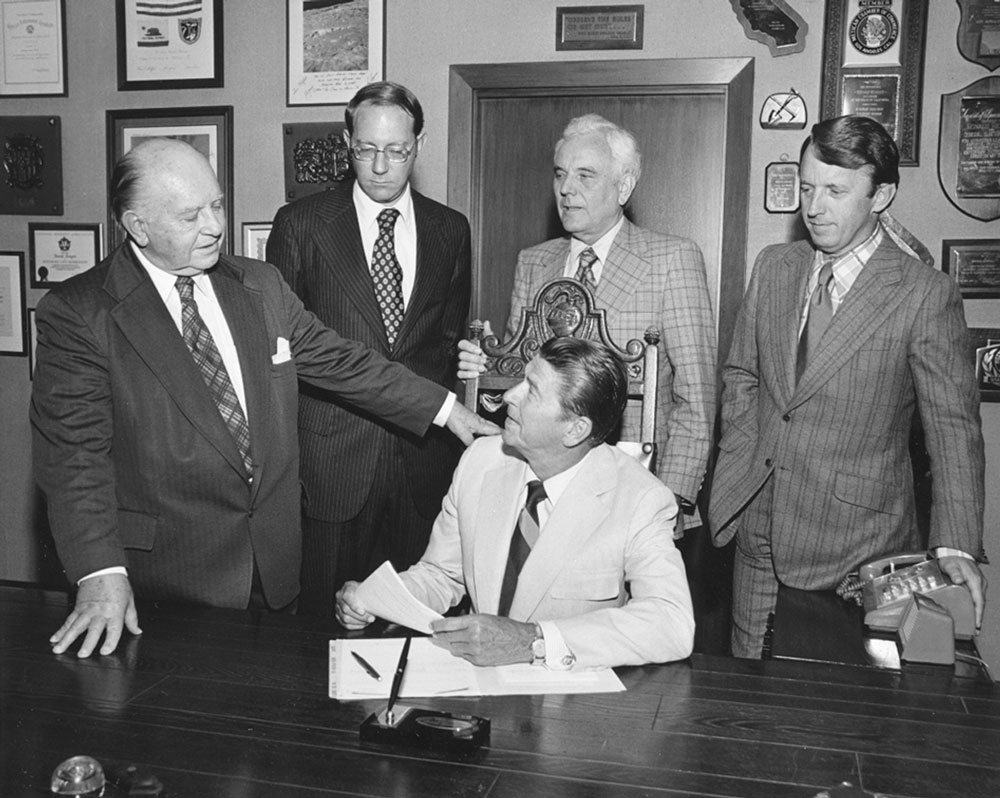
- In 1981, President Reagan signs the Home and Community-Based Waiver, 1915(c) (of the Social Security Act). The “Medicaid Waiver” allows Medicaid funding to be used to fund community-based disability support services, expanding use of funding beyond institutional and hospital settings.
- The 1985 California State Supreme Court ruling in ARC v. DDS reinforces that regional center services are an entitlement, and it is the IPP that determines what services an individual receives.
-
1986-1995
Commitment to Inclusion
- Protections for the rights of people with disabilities are expanded.
- The federal government passes the Americans with Disabilities Act (ADA), establishing in statute the civil rights of people with disabilities, prohibiting discrimination in employment, and mandating accessibility in transportation and public accommodations.
-
1996-2005
Removing Barriers to Full Inclusion
- The 1999 U.S. Supreme Court Olmstead Decision advances deinstitutionalization and the creation of community alternatives by holding that federal law prohibits the unjustified isolation of people with disabilities in institutions.
- The federal government supports the implementation of “self-directed services,” in which people with disabilities and their families are given an individual budget and responsibility to independently purchase services and supports as identified in their individual program plan.
- California implements self-directed services pilot programs in five regional centers and signals its intent to expand this policy initiative in the future.
-
2006-2015
Hope During Financial Challenges
- The Legislature provides a small increase in rates for service providers, yet regional centers face their 16th year without a cost-of-living increase.
- 2008, cost control measures impact regional centers and community services, narrowing eligibility requirements, increasing parental fees and responsibilities, seeing a reduction in services, reducing service provider payments, reducing regional center operations funding, and increasing the use of federal funds.
- 2014, The federal Centers for Medicaid and Medicare Services introduce the Home and Community Based Services Final Rule, requiring all services paid for by Medicaid funds to be based on person-centered planning, conducted within the community, and designed to support people with disabilities to access community services in ways they want, based on the choices they make.
-
2016-2020
A Renewed Spirit of Activism
- 2016, the regional center system celebrates its 50th year.
- Advocacy of the developmental disabilities community by the “Lanterman Coalition” culminates in legislation authorizing a study of service provider rates to address the sustainability, quality, and transparency of the community service system.
- DDS uses Purchase of Service (POS) data to identify service inequities in non-white ethnicity compared to white ethnicity.
- Regional Centers and DDS implement efforts to increase equitable access to services for underserved communities, including funding specialized community projects created to increase access to services for communities of color.
- The Rate Study reveals California has significantly underfunded community-based direct services and recommends increases to rates across most services.
-
Photo Credit: Disabled and Here, Gritchelle Fallesgon. 2020-2023
COVID-19, A Worldwide Health Crisis
- The Global Pandemic of Covid-19 presents never before seen challenges for people served and their families, providers and regional centers.
- San Francisco County is the first county in the nation to announce a county wide non-essential business closure and stay-at-home orders for their community. GGRC is the first Regional Center tasked with determining how to ensure needs of people with disabilities and disabilities service providers are met during the pandemic, quickly followed by other regional centers several days later.
- Regional Centers statewide respond to help support people served in many new ways, protecting their health and safety through extraordinary efforts including distribution of millions masks and other Personal Protective Equipment, partnering to set up and host COVID-19 vaccine clinics, and coordinating emergency staffing and housing.
- GGRC staff serve with other regional center representatives on statewide workgroups in partnership with the California Department of Developmental Services to identify temporary ways to fund services and sustain service providers’ businesses while they could not operate.
- The study results in Service Provider “Rate Reform” with increased funding to providers totaling over one billion dollars in the first few years of phased-in implementation of the new rates.
-
2023-2025
A Reinvestment in Disability Services
- California implements “Rate Reform,” increasing the amount of funding that disability services agencies, funded by regional centers will receive.
- The Quality Incentive Program (QIP) is rolled out for service providers, providing an additional 10% funding for meeting DDS defined quality assurance requirements.
- A federal court approved class settlement in McCullough v. California Department of Developmental Services establishes funding for regional centers to hire deaf services specialists, expand deaf services and offer communication assessments to deaf individuals with I/DD.
- DDS introduces the “Standardized Individual Program Plan” (IPP), requiring all regional centers to use the same IPP form.
- DDS introduces the Provider Portal and Standardized Vendorization to provide disability service providers with the same process and requirements to become a vendor no matter where they operate in California.
-
2026
Celebrating Six Decades of Progress
Golden Gate Regional Center celebrates its 60th anniversary!
-
2027 and Ongoing:
Building the Future Together
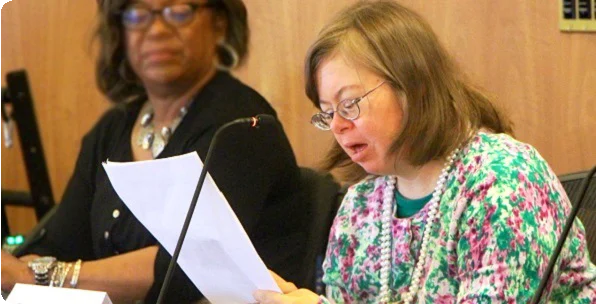
The California Regional Center System was built by the tireless advocacy of family members of people with disabilities sixty years ago. Today’s system still needs those family voices, but more than ever we need the voices, experiences, thoughts and feelings of the people who use the services directly, especially people with intellectual and developmental disabilities! Consistent with the Master Plan for Developmental Disabilities in addition to centering the system on the recipients of regional center services, families, service providers, community partners, and regional center staff need to step up and provide input about what is needed now and in the future, to make sure the regional center system responds to the changing needs and vision of our evolving communitites.








Meet GGRC’s Leadership Team
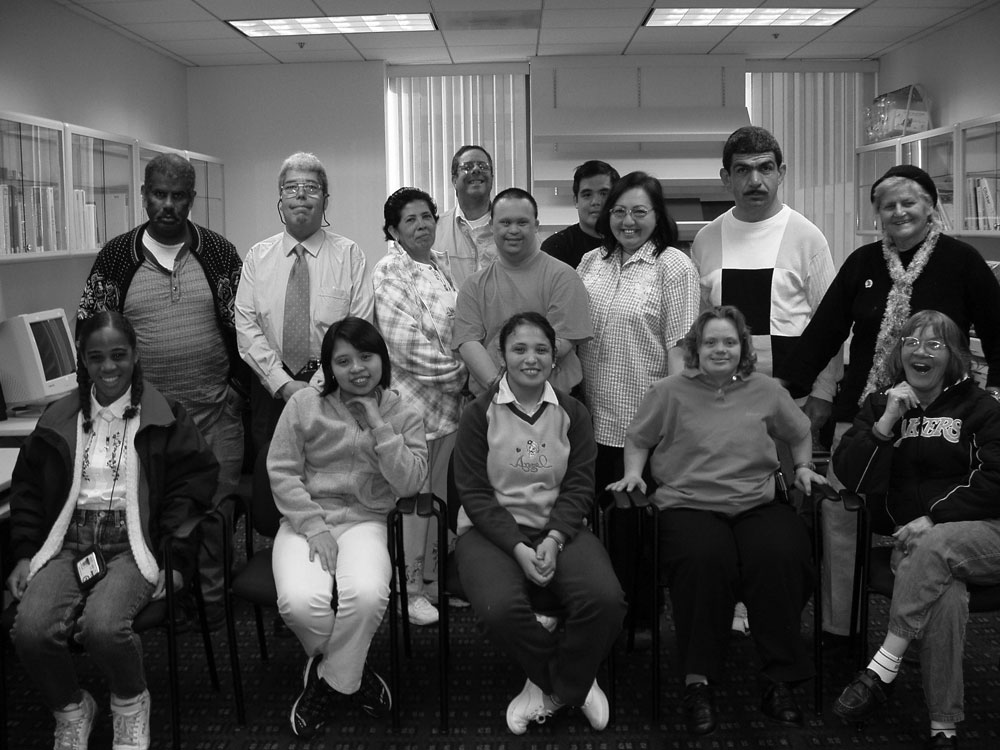
Our team connects individuals with intellectual and developmental disabilities and their families to person-centered supports and services that are responsive to their needs, values, goals, and ambitions while working in partnership to build inclusive communities that value the rights, voices, views, and contributions of people with disabilities.