



It’s About Taking Control of Your Life
You Are the Expert!
You know your dreams, interests, strengths and needs better than anyone. You are the expert on yourself. As an adult, you will want to make your own decisions about services and supports that can help you reach your goals.
To get the services that support you best, you will need to share what is important to you with your regional center social worker. This is part of “self-advocacy” – sharing your thoughts, asking questions, making requests and deciding what works for you.
You Have Rights.
Like other Californians, state and federal laws give you the legal right to make decisions and choices about:
- What you want to do during the day
- Who you want to work with you
- How you want to be part of the community
- Where to work
- Where to live and with whom
- Your relationships
In California, there is a special law called the Lanterman Developmental Disabilities Act. This is sometimes called the “Lanterman Act.” It gives you a right to services and supports to help you live a life in which you make the decisions and work towards your dreams and goals.
Remember: Share what is important to you and have the courage to ask for the help you need.
How Will GGRC Work with Me?
Golden Gate Regional Center (GGRC) uses a personcentered approach in working with you. Being “personcentered” means your social worker focuses on you as an individual. Your social worker takes the time to learn what is important to you, like where you want to live, activities you enjoy doing, and the people you want to be a part of your life. Your social worker also will talk with you about what is important for you like health and safety matters.
- Your social worker will be responsive to your interests, strengths and preferences.
- Your social worker will suggest services and supports to help you reach your personal goals.
- Your role is being a self-advocate. You must share your thoughts, opinions and choices.
- Together with a social worker, you can develop a plan for your future.
Your social worker has an important role in getting you what you need. The more your social worker knows about you, the better he or she can help you find the right services and programs for you.
Why is a Plan Important?
The written plan you make with the regional center and your team is called an Individual Program Plan (IPP).
- The IPP lists your goals and explains the services you have chosen.
- Your IPP is an agreement, a contract between you and the regional center. Once you sign it, your services start.
- You can invite family, friends, service providers or advocates to attend your IPP meeting to help you plan. You decide who is on your team.
- It is very important that you share your dreams, interests and strengths so your social worker can suggest services and supports that interest you.
- After you have considered the suggestions, you make the decision to accept or decline the services and supports offered.
It is a great idea to ask advice from trusted people to support you in making your decisions. If you don’t understand something, ask for an explanation. You need information to make an informed decision.
What if I Disagree with the Plan?
If you disagree with a part of the plan, or with an action of your social worker or GGRC, or if you are dissatisfied with any service, start by sharing it with your social worker. You can also ask to have a supervisor join a meeting to share your concerns if needed.
- You may contact GGRC’s Rights Advocate who can help you in meetings and can explain your rights under the Lanterman Act.
- If a satisfactory solution is not reached, you have a right to a formal appeal.
- If you need help understanding the appeal procedure, GGRC’s Rights Advocate is available to meet with you and your family and help explain the procedure.
- For further information go to: ggrc.org/services/advocacy-a-other-services or dds.ca.gov/complaints.
It takes courage to share your needs, especially if others disagree with you. You may want to practice what you want to say with someone you trust.
What Do YOU Want?
You may want to consider some of these questions and discuss your thoughts at your meeting with your social worker and planning team:
- What is your dream for the future?
- What would you like to do now?
- Where do you want to live?
- Do you want to get a job?
- Who are the important people in your life?
- Do you need any supports to fully participate in your person-centered planning meetings? If yes, what kind of supports do you need?
- Do you want to join an advocacy group?
- Do you want to register to vote?
It’s your life so you make the decisions! There are trainings and support groups you can join to learn more and practice advocacy skills. Advocacy makes a big difference in improving the lives of people with disabilities.
Public Advocacy
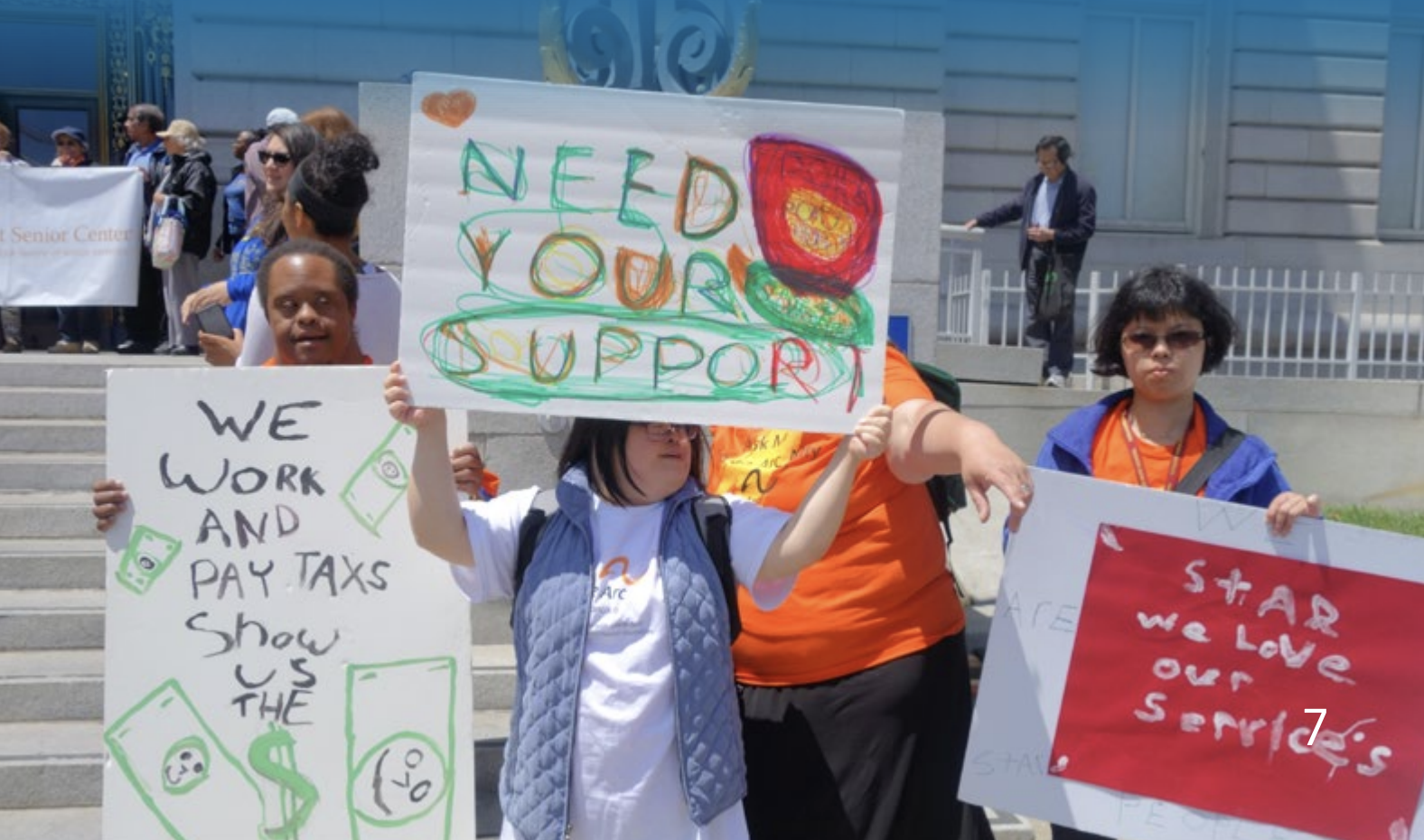
Once you practice self-advocacy, you might find you like advocacy. There is a great need for people to advocate for the rights of people with disabilities at the regional center, and at the city, state and federal government levels.
- One great way to advocate is to vote. You have the right to vote in elections. Ask your social worker about registering to vote.
- The regional center has an Advisory Committee made up of a diverse group of individuals who receive GGRC services and want to share their views on what the regional center does to help everyone GGRC serves. Interested in joining the advisory committee? Contact the GGRC Rights Advocate at (415) 546-9222 or advocate@ggrc.org.
- Sometimes individuals go to the state government offices in their local counties or in Sacramento to make sure elected officials know what services and supports are important to them. Tell your social worker or service provider if you want to visit the offices of your elected officials.
Be a Self-Advocate!
Express your wants and needs.
- Visit and review any programs or living options before choosing one.
- Ask questions.
- You may want to ask advice from trusted people to help support you in making your decision.
- If there is disagreement about services offered by the regional center, get help.
- Ask your social worker or GGRC’s Rights Advocate for information about the appeal process if your disagreement cannot be resolved.
- Ask your social worker about self-advocacy trainings and advocacy groups you can join.
- To learn more about advocacy, contact GGRC’s Rights Advocate at advocate@ggrc.org or (415) 546-9222.


 Video
Video Video
Video 
 Document